How to over come these hair issues in PCOS
To overcome PCOS-related hair issues, a comprehensive approach is required that addresses both internal hormonal imbalances and external hair care. Because hair growth cycles are slow, most solutions take 6–12 months to show visible results.

Take Charge of Your Health: Metabolic & Dietary Changes
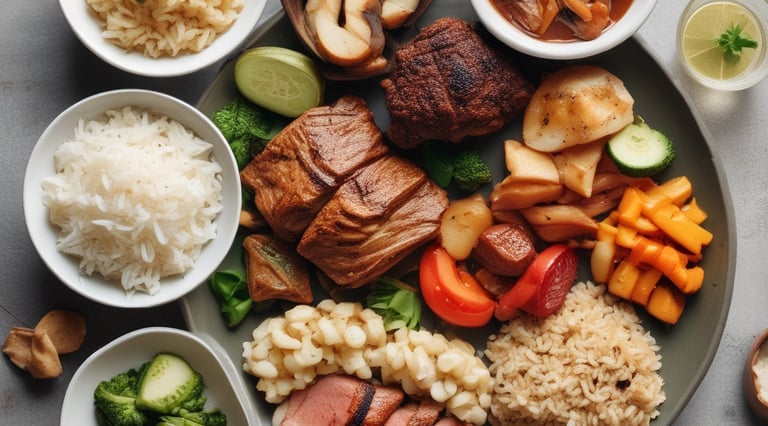
Manage Insulin Resistance: High insulin levels drive the ovaries to produce excess androgens. Embracing a low-glycaemic index (GI) diet—full of whole grains, fiber, and lean proteins—effectively stabilizes blood sugar levels.
Weight Management: For women with a high BMI, shedding just 5–10% of body weight can dramatically reduce androgen levels and enhance hair health.
Anti-Inflammatory Foods: Integrating omega-3 rish fish(such as salmon), walnuts, and leafy greens is crucial to reducing chronic inflammation linked to PCOS.
How to do these
Prioritise Protein: Eat 20–30g of protein (eggs, chicken, tofu) at every meal to stop insulin spikes from triggering testosterone production. Healthline
Go "Low GI": Swap white bread, white rice, and sugary cereals for oats, quinoa, and lentils to keep blood sugar stable.
Load up on Fiber: Aim for 25g+ of fiber daily via leafy greens and cruciferous vegetables to help "flush" excess hormones.
Eat Healthy Fats: Use olive oil and eat walnuts or oily fish (salmon/sardines) to reduce the scalp inflammation that causes shedding.
Drink Spearmint Tea: Have two cups daily; studies show it can significantly lower the "male" hormones that cause thinning. Healthline
Limit "Inflammatory" Foods: Cut back on highly processed snacks, trans fats, and excessive dairy if you notice increased scalp oiliness or acne.
Short Post-Meal Walks: A 10-minute stroll after eating helps your muscles use up glucose, preventing insulin surges.
Strength Train: Lift weights twice a week to improve long-term insulin sensitivity and lower androgen levels.
Scalp Care
If you have PCOS, taking care of your scalp can be tricky. Higher levels of androgens often mean that there’s an excess production of sebum (the oil), which can lead to dandruff and some inflammation, while changes in hormones can also make your hair feel dry and brittle.
Strategic Scalp Care Routine
Targeted Cleansing: Aim to wash 2–3 times a week using sulphate-free shampoos to avoid stripping the scalp's protective barrier. If your scalp is exceptionally oily, you can wash every other day, but avoid daily washing as it can trigger rebound oil production
Manage Oily Build-up: Use clarifying shampoos once every two weeks to remove DHT residue and product build-up that can clog follicles.
Exfoliation and Massage: Weekly scalp exfoliation with a gentle scrub or brush helps remove dead skin and excess oil. Daily 3–5 minute scalp massages with fingertips can improve blood circulation and nutrient delivery to follicles.
Smart Conditioning: Apply conditioner only to the mid-lengths and ends of your hair. Avoid applying it directly to the scalp, as this can exacerbate oiliness and weigh down thinning hair.
Oil Usage Caution: While natural oils like rosemary oil (diluted in a carrier like jojoba) can stimulate growth, avoid heavy oils or leaving them on overnight, as they can trap heat, clog follicles, and prevent the scalp from "breathing".

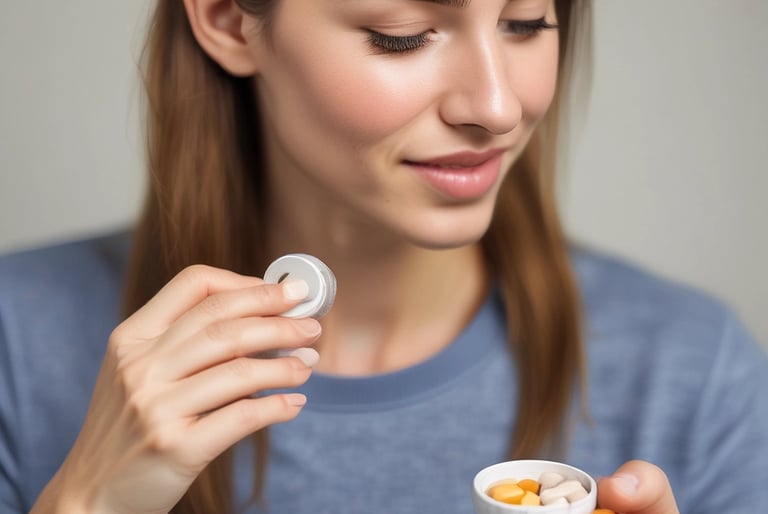
Targeted supplementation with iron, zinc, and inositol can support hair regrowth and manage other PCOS symptoms, provided any underlying deficiencies are first identified via blood tests. Several reputable brands offer specific formulations designed for women with PCOS.
Supplements
Iron: Acts as an oxygen carrier. It is essential for producing haemoglobin, which delivers oxygen and nutrients to hair follicles. This keeps them in the anagen (growth) phase and prevents premature shedding.
Zinc: Acts as a hormone regulator. It inhibits the enzyme 5-alpha reductase, which blocks the conversion of testosterone into DHT—the primary hormone responsible for shrinking scalp hair follicles and causing thinning.
Inositol: Acts as a metabolic balancer. It improves insulin sensitivity, which naturally lowers the excess insulin levels that trigger the ovaries to overproduce androgens (male hormones). This addresses the root hormonal cause of PCOS-related hair loss.